
Importing Goods into Australia: Complete Customs Clearance Guide for Importers
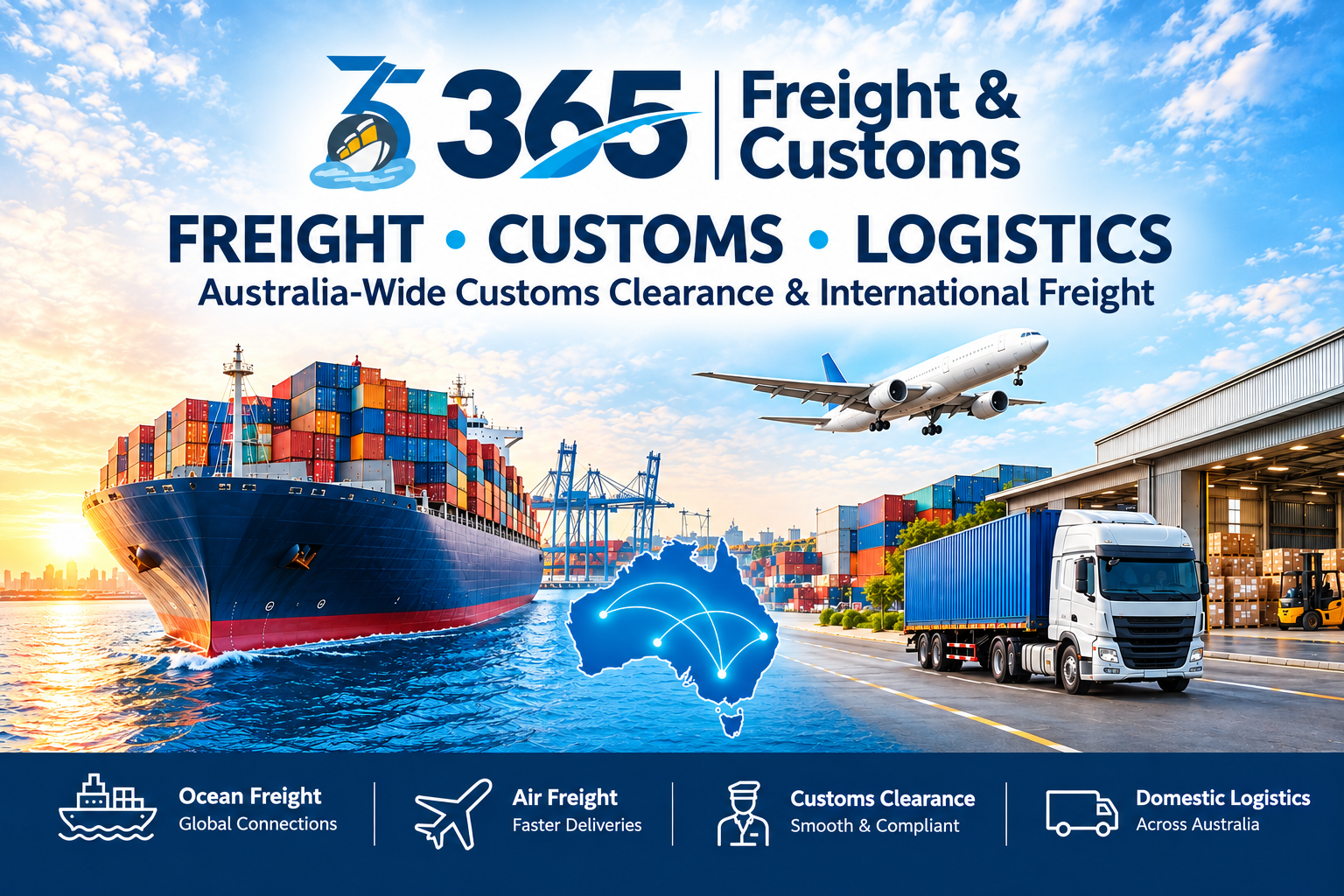
Importing goods into Australia can open up significant opportunities for businesses, retailers, wholesalers and first-time importers. However, international shipping involves much more than simply arranging freight from an overseas supplier.
Before imported goods can be delivered to your business, they may need to meet Australian customs, biosecurity, product and documentation requirements. Incorrect information, missing documents or an incorrect tariff classification can result in delays, additional costs and compliance issues.
This guide explains the key things Australian importers should understand before their shipment arrives.
What You Need to Know Before Importing Goods into Australia
Before placing an overseas order, it is important to understand:
- What the goods are and how they will be classified
- Whether the goods require an import permit
- Whether biosecurity requirements apply
- Whether customs duty and GST will apply
- What documentation is required
- Which freight method is suitable
- Whether a customs broker should handle the clearance
- Whether a Free Trade Agreement or tariff concession may provide a duty benefit
Planning these requirements before the goods leave the country of origin can help reduce avoidable delays.
1. Check Whether Your Goods Can Be Imported
Not every product can be imported into Australia without restrictions.
Certain products may be subject to specific requirements because of biosecurity, safety, environmental or other regulatory considerations. Products containing plant or animal materials, food, agricultural products and other potentially biosecurity-sensitive goods may require additional checks or permits.
Importers should check the applicable Australian requirements before purchasing or shipping the goods.
For biosecurity-related products, the Department of Agriculture, Fisheries and Forestry’s BICON system can be used to check applicable import conditions.
2. Understand Australian Customs Duty and GST
Imported goods may be subject to customs duty, GST and other applicable charges depending on the type and value of the goods and the circumstances of the import.
The amount of duty generally depends on the tariff classification and the applicable duty rate.
GST may also apply to imported goods.
This is why determining the correct tariff classification before importing can be an important part of calculating the potential landed cost.
3. Get the Correct Tariff Classification
Tariff classification is one of the most important parts of the Australian import process.
Imported products are classified under Australia’s customs tariff system. The classification can affect:
- Customs duty
- Applicable concessions
- Import requirements
- Statistical information
- Documentation requirements
A product should not simply be classified based on its common commercial name. Its material, construction, function, composition and intended use may all be relevant.
If you are unsure about the correct classification, obtaining professional tariff advice before the shipment arrives can help reduce the risk of incorrect declarations.
4. Prepare the Correct Import Documents
Having the right documentation ready can make the customs clearance process considerably smoother.
Depending on the shipment, documents may include:
- Commercial invoice
- Packing list
- Bill of Lading or Air Waybill
- Import permits, where required
- Certificates or supporting documents
- Country of origin information
- Product specifications
- Evidence of payment where applicable
- Other documents required by Australian authorities
The exact documentation depends on the goods, shipment method and applicable regulations.
5. Biosecurity and Quarantine Requirements
Australia has strict biosecurity controls designed to protect agriculture, the environment and the Australian economy from pests and diseases.
Imported cargo may be examined for biosecurity risk material. Problems can arise when containers or packaging contain soil, plant material, timber-related contamination or other restricted material.
Importers should therefore ensure that:
- Packaging complies with applicable requirements
- Goods are clean before shipment
- Required permits are obtained
- Correct declarations are provided
- Any applicable biosecurity conditions are understood before shipping
Preparing for biosecurity requirements before the shipment leaves the supplier can help avoid unnecessary delays and additional treatment or inspection costs.
6. Choosing Sea Freight or Air Freight
The most suitable freight option depends on the size, weight, value and urgency of your shipment.
Sea Freight
Sea freight is commonly used for larger or less urgent shipments.
Options can include:
- Full Container Load (FCL)
- Less than Container Load (LCL)
Sea freight can be particularly suitable for commercial cargo where cost efficiency is more important than speed.
Air Freight
Air freight is generally suitable when speed is a priority or when the shipment is relatively small, valuable or time-sensitive.
Choosing the correct freight method can have a significant impact on your overall landed cost.
7. What Does a Customs Broker Do?
A licensed customs broker can assist importers with the customs clearance process and related documentation.
Depending on the shipment, a customs broker may assist with:
- Import declarations
- Tariff classification
- Duty and tax calculations
- Customs documentation
- Biosecurity and quarantine requirements
- Customs communication
- Clearance coordination
- Shipment release
Using an experienced customs broker can be particularly useful for businesses that are importing for the first time or importing products with complex requirements.
8. Common Mistakes Made by Importers
Many import delays can be avoided by preparing properly before the goods are shipped.
Common mistakes include:
Incorrect Product Description
A vague description such as “parts”, “samples” or “goods” may not provide sufficient information for accurate customs assessment.
Incorrect Tariff Classification
Using an incorrect tariff code can result in incorrect duty calculations or compliance problems.
Missing Documents
Incomplete invoices, missing permits or inconsistent shipment information can delay clearance.
Ignoring Biosecurity Requirements
Certain products and packaging materials can create biosecurity risks if they do not meet Australian requirements.
Looking Only at the Supplier’s Price
The purchase price is only one part of the total import cost.
Importers should consider the complete landed cost, including:
Product cost + international freight + insurance (where applicable) + customs duty + GST + clearance + port/terminal charges + delivery + other applicable charges
9. Consider Free Trade Agreements and Tariff Concessions
Australia has several Free Trade Agreements that may provide preferential tariff treatment for eligible goods.
However, simply purchasing goods from an FTA partner does not automatically mean that a shipment qualifies for preferential duty treatment.
The product must meet the applicable rules and origin requirements, and appropriate supporting documentation may be required.
Importers should therefore check whether an applicable FTA or tariff concession could reduce their customs duty liability before finalising an import.
10. Can a Shipment Be Pre-Cleared?
In some circumstances, customs clearance preparation can begin before the goods arrive in Australia.
Providing accurate documentation early can allow the customs broker to prepare the declaration and identify potential issues before arrival.
Early preparation is especially useful when:
- The shipment is time-sensitive
- The goods require permits
- The shipment has complex classification requirements
- Biosecurity requirements may apply
- The importer needs rapid delivery after arrival
11. How to Make Australian Customs Clearance Easier
A simple pre-shipment checklist can help reduce avoidable problems.
Before your supplier ships:
☑ Confirm the product description
☑ Check the tariff classification
☑ Check whether permits are required
☑ Check biosecurity requirements
☑ Confirm the country of origin
☑ Prepare the commercial invoice
☑ Prepare the packing list
☑ Confirm freight arrangements
☑ Calculate estimated landed cost
☑ Provide documents to your customs broker
The earlier these details are checked, the easier it is to identify potential problems.
Why Choose 365 Freight & Customs?
365 Freight & Customs provides customs clearance and freight services for businesses and importers across Australia.
Our services include:
- Customs Clearance
- Sea Freight – FCL & LCL
- Air Freight
- Tariff Advice
- Food Import Services
- Gold & Jewellery Import
- Used Vehicle Import
- Special Import Services
- Source From China
- Ground Transport
We help coordinate the import process from overseas supplier through customs clearance and delivery.
Whether you are an experienced importer or importing into Australia for the first time, our team can help you understand the documentation, customs and freight requirements applicable to your shipment.